Understanding How Cities Transform
A monthly discussion circle exploring urbanism and real estate development in Argentine cities. For curious citizens who want to understand the forces shaping their neighborhoods and the built environment around them.
The Forces Shaping Our Cities
Each gathering examines a specific aspect of urban development — from building codes and density to infrastructure projects and neighborhood transformation patterns.
Building Codes & Density
How zoning regulations and building codes shape neighborhood character, permitted heights, and development patterns. Understanding the rules that determine what can be built where.
Infrastructure & Value
The relationship between public infrastructure projects and property values in adjacent areas. How transportation, parks, and utilities influence neighborhood desirability.
Neighborhood Evolution
Why certain neighborhoods become fashionable while others decline. The social, economic, and cultural factors behind gentrification and urban change.
Transit & Property
How proximity to transportation networks affects square meter prices. The measurable impact of subway stations, bus corridors, and highway access on real estate values.
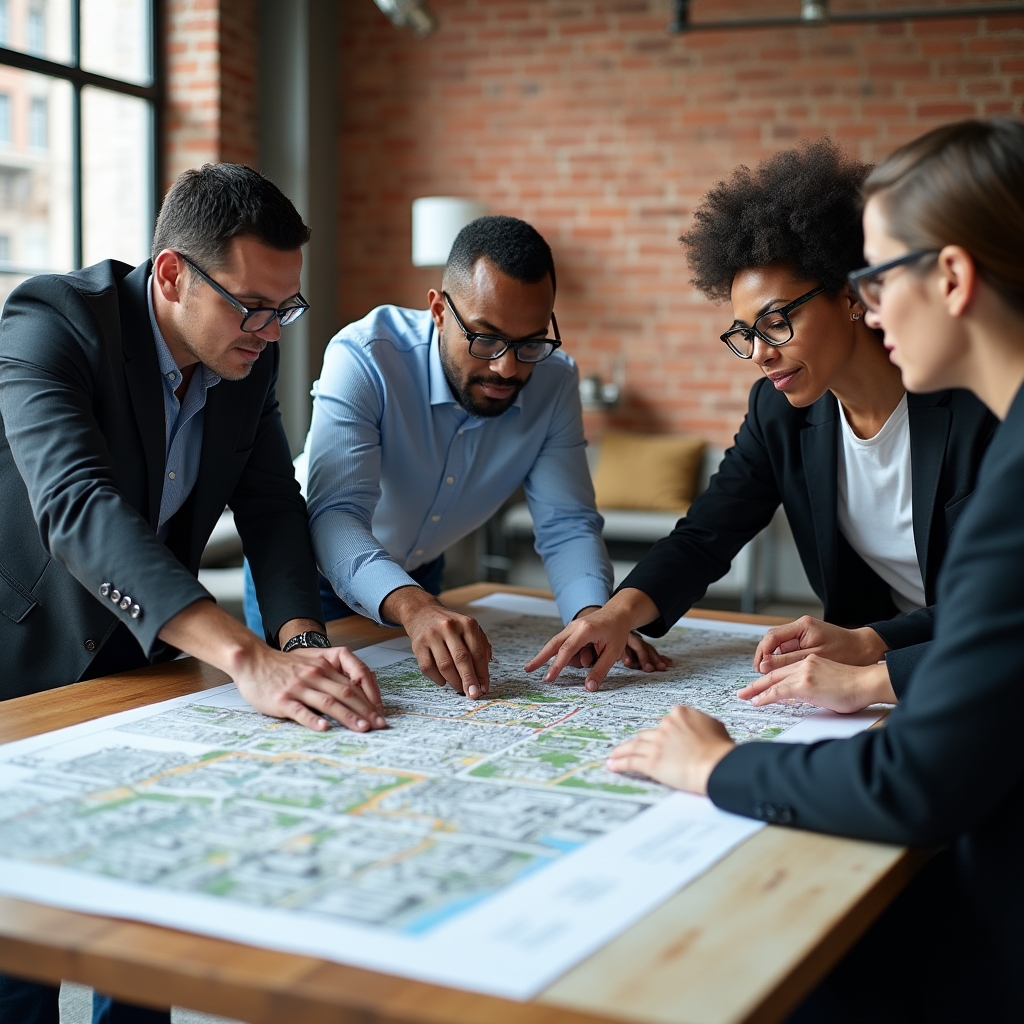
Informed Dialogue with Experts
Each session brings together urbanists, architects, specialized journalists, and engaged citizens. We create space for substantive conversation about complex urban topics.
These gatherings are not lectures — they're collaborative explorations where diverse perspectives help build deeper understanding of how cities function and evolve.
- Guest speakers from urbanism and architecture fields
- Interactive discussion format encouraging questions
- Focus on Argentine cities and local contexts
- Accessible explanations of technical concepts
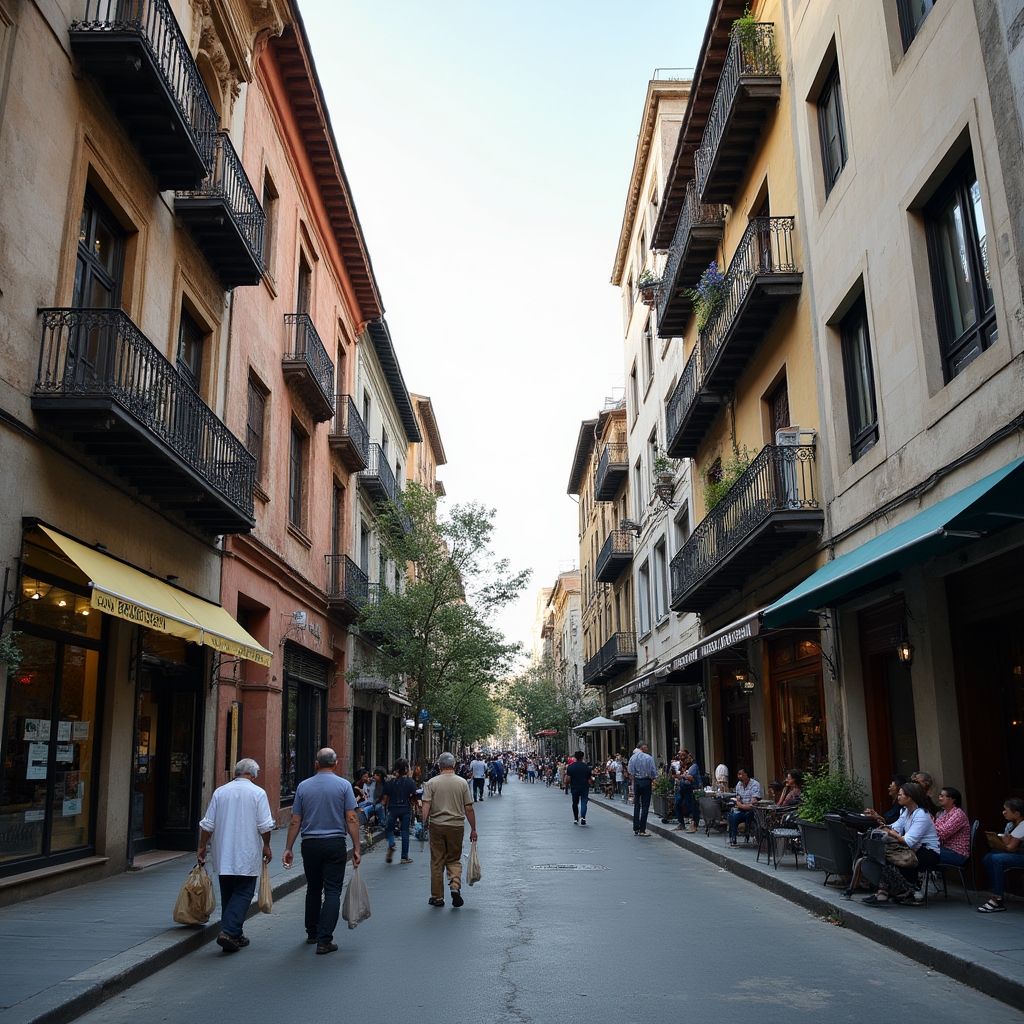
Real Cases, Local Context
We examine actual development projects, policy decisions, and neighborhood transformations happening in Argentine cities. Theory grounded in observable reality.
Understanding urbanism requires looking at specific places and specific decisions. We analyze real examples to illustrate broader principles of how cities change.
- Case studies from Buenos Aires, Córdoba, Rosario
- Analysis of recent policy changes and their effects
- Before-and-after examinations of transformed areas
- Data-driven exploration of urban patterns
Education, Not Advice
This is not real estate investment guidance or property consultation. We focus on understanding urban systems, development processes, and the factors influencing neighborhood change.
The goal is urban literacy — helping citizens understand the built environment around them, the decisions that shape it, and the forces driving transformation.
- Educational focus on urban dynamics
- No investment recommendations or property advice
- Emphasis on understanding systems and processes
- Building informed citizenship around urban issues
Discussion Themes
Each gathering focuses on a specific aspect of urban development. Select a theme to learn more about what we explore.
Zoning Regulations & Building Codes
Building codes determine what can be constructed where — permitted heights, setbacks, density, and use. These regulations profoundly shape neighborhood character and development patterns.
We examine how zoning decisions are made, who influences them, and how changes to building codes trigger waves of development or preservation in different areas.
- Understanding FAR (floor area ratio) and density controls
- How height limits shape skylines and property values
- The politics of zoning changes and variances
Public Infrastructure & Property Values
New subway lines, park developments, and major infrastructure projects measurably affect property values in surrounding areas. Understanding these relationships helps decode urban transformation.
We analyze how infrastructure investments create winners and losers, how proximity effects vary by project type, and the temporal patterns of value change.
- Transit-oriented development patterns
- Park proximity premiums and green space value
- Timing of value changes around infrastructure
Neighborhood Transformation & Gentrification
Why do certain neighborhoods suddenly become fashionable? What triggers gentrification, and what are its effects on existing residents and urban fabric?
We explore the complex social, economic, and cultural factors behind neighborhood change — from artist colonization to commercial development to demographic shifts.
- Early indicators of neighborhood transformation
- Role of cultural institutions and commercial anchors
- Displacement patterns and social impacts
Transportation Access & Real Estate
The relationship between transit access and property values is one of the most measurable phenomena in urban economics. We examine how this relationship functions in Argentine cities.
From subway station proximity premiums to the effects of new bus corridors, transportation infrastructure creates clear patterns in real estate markets.
- Measuring the "transit premium" in property values
- How walkability affects neighborhood desirability
- Comparing different transit modes and their impacts
For Curious Citizens
These gatherings bring together people interested in understanding the urban environment — no specialized background required.
Monthly Gatherings
Argentine Cities Focus
Discussion Format
Expert Guests
Join the Conversation
Interested in participating in upcoming gatherings? Reach out to learn about our schedule and how to join our monthly discussions about urban transformation.
Get in Touch