Monthly Urban Gatherings
Regular discussions exploring how Argentine cities transform. Each gathering focuses on a specific urban topic with expert guests and engaged participants.
How Sessions Work
Our gatherings follow a consistent structure designed to balance expert input with participant engagement.
Two-Hour Sessions
Gatherings run approximately two hours — enough time for substantive exploration without overwhelming participants. We start promptly and respect everyone's time.
Expert Introduction
Each session begins with a guest speaker providing context and framing key questions. This typically runs 30-40 minutes, leaving ample time for discussion.
Structured Discussion
Following the introduction, we move into facilitated discussion. Questions are welcome throughout — we prioritize dialogue over lecture format.
Informal Exchange
Sessions conclude with informal conversation time. Many substantive exchanges happen during these unstructured moments after the formal discussion.
What We Explore
Gatherings rotate through major themes in urban development and neighborhood change.

Regulation & Policy
Building codes, zoning regulations, and urban policy shape what gets built where. These sessions examine how regulatory frameworks influence development patterns and neighborhood character.
We look at specific code changes and their effects, compare regulatory approaches across cities, and explore the politics of zoning decisions.
- FAR calculations and density controls
- Height limits and setback requirements
- Mixed-use zoning and commercial corridors
- Historic preservation regulations
Infrastructure & Development
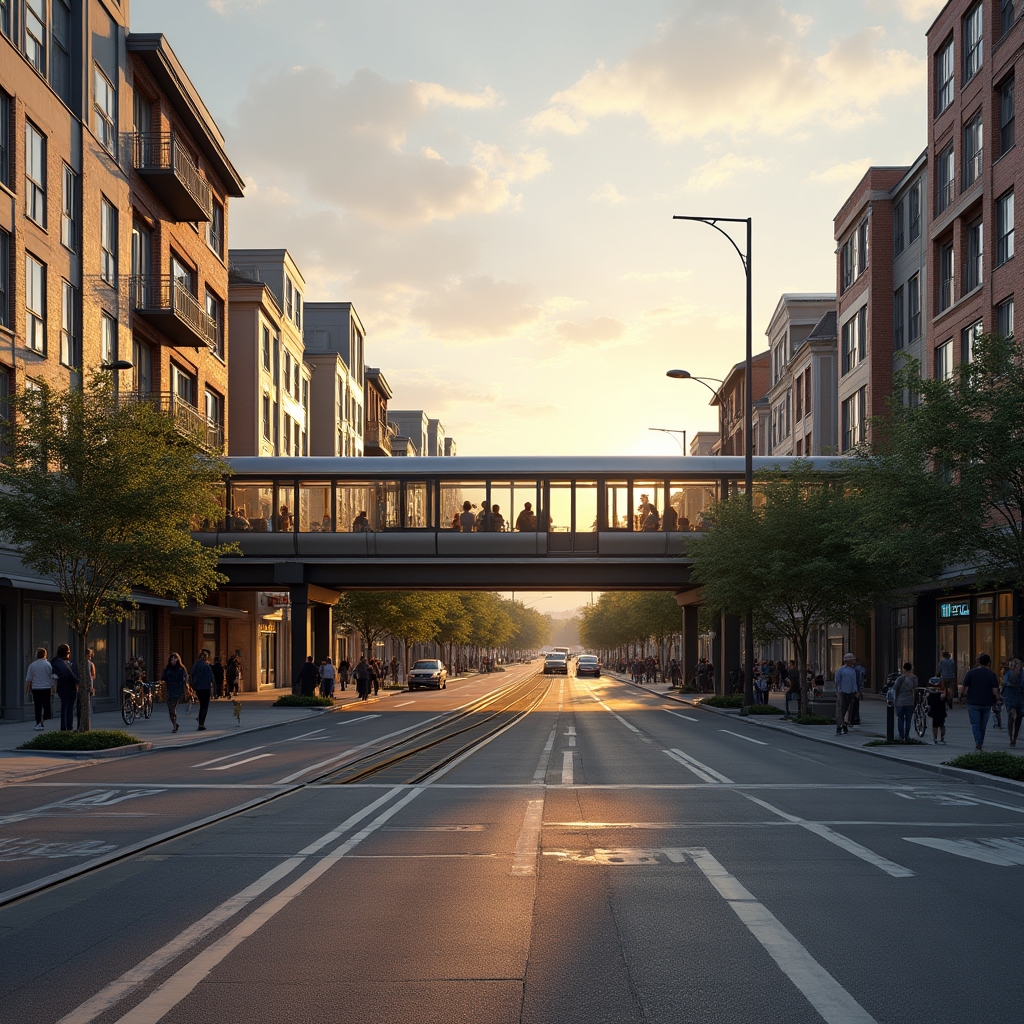
Major infrastructure projects — subway lines, highways, parks — create measurable effects on surrounding property values and development patterns. These sessions analyze infrastructure impacts.
We examine timing effects, proximity gradients, and how different types of infrastructure produce different patterns of urban change.
- Transit-oriented development patterns
- Highway construction and neighborhood division
- Park development and property premiums
- Utility infrastructure and development feasibility
Neighborhood Dynamics
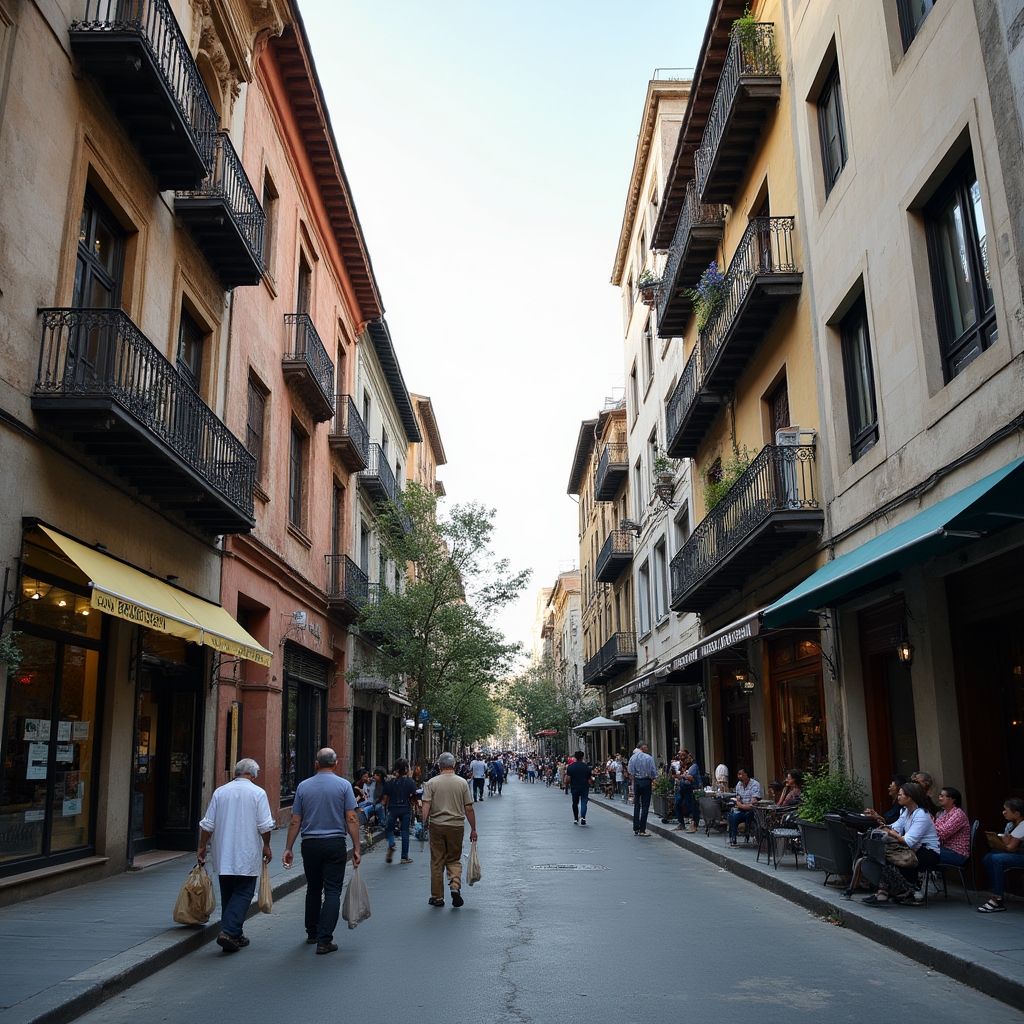
Why do certain neighborhoods gentrify while others remain stable? What triggers transformation, and what are its consequences? These sessions explore neighborhood change mechanisms.
We analyze real cases of neighborhood transformation, examining early indicators, tipping points, and social impacts of gentrification processes.
- Gentrification triggers and patterns
- Commercial anchors and cultural institutions
- Displacement and demographic change
- Neighborhood identity and branding

Market Dynamics
How do real estate markets function? What drives price changes? These sessions examine market mechanics — not as investment advice but as urban systems understanding.
We explore supply and demand dynamics, price formation, market cycles, and how economic forces interact with regulatory constraints and infrastructure.
- Supply constraints and price effects
- Neighborhood price differentials
- Development feasibility and land economics
- Market cycles and timing patterns
Participant Profile
Curious Residents
People who live in cities and want to understand the forces shaping their neighborhoods. No specialized background required — just genuine interest in urban questions.
Adjacent Professionals
Architects, planners, journalists, and others whose work touches urban issues. Gatherings provide cross-disciplinary perspectives beyond specialized professional silos.
Civic Participants
People involved in neighborhood associations, community boards, or local advocacy. Urban literacy helps inform civic engagement and policy participation.
Students & Educators
University students studying urbanism, architecture, geography, or related fields. Educators looking for real-world context to complement academic frameworks.
Interested in Participating?
Gatherings are held monthly in San Salvador de Jujuy. Contact us to learn about upcoming sessions and how to join our discussions.
Get in Touch